How Often Should You Replace Your Robot Vacuum Filter? (And How to Do It)
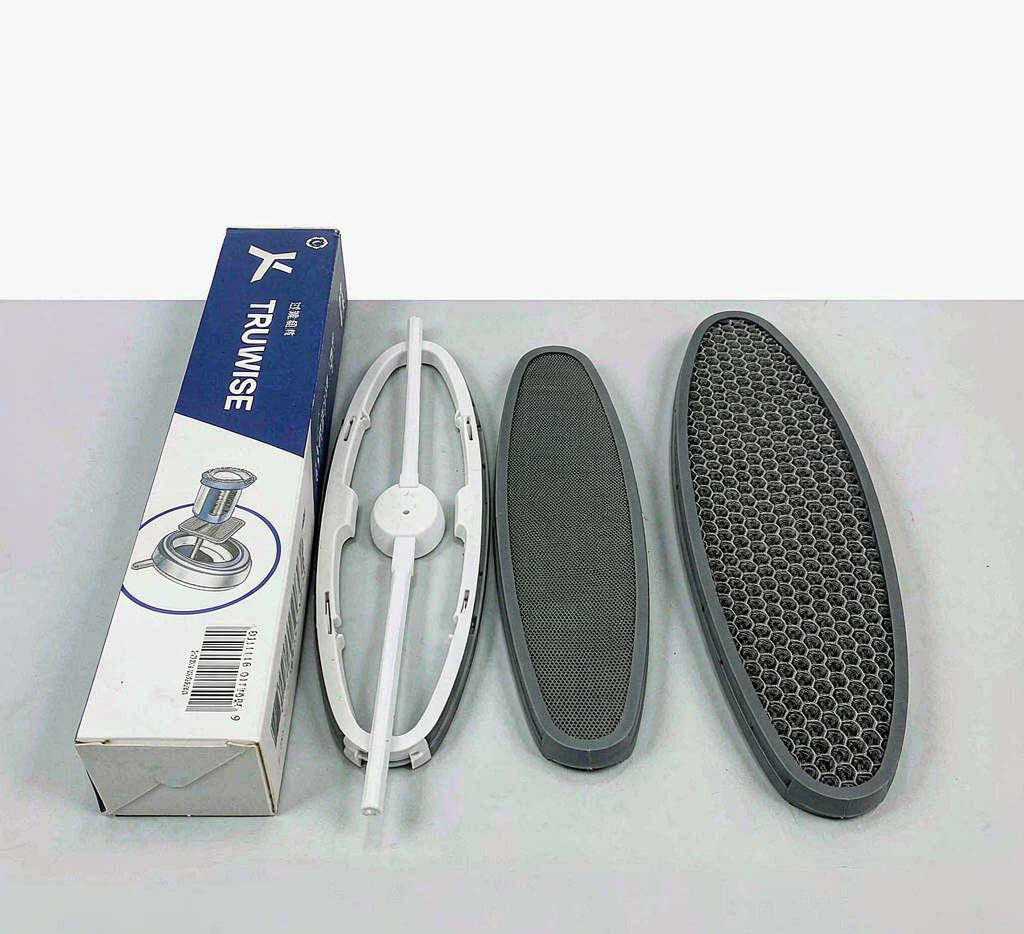
A robot vacuum loses suction gradually, so most owners never notice the decline — until someone with allergies starts sneezing again. In most cases, the culprit isn't the motor. It's a $5 filter that quietly gave up months ago.
Why the filter matters more than you think
The HEPA filter is your robot's respiratory system. As it captures dust, pollen and pet dander, its fibers clog. A saturated filter forces the motor to work harder, which means weaker suction, shorter battery runtime, and more debris recirculated back into your air.
The replacement schedule that actually works
- HEPA filter: every 3–6 months (monthly rinse if washable, but rinse cycles don't extend fiber life)
- Side brushes: every 6–12 months, or when bristles visibly splay
- Main roller brush: every 12 months
- Pet households: cut all intervals roughly in half
The 3-minute replacement, step by step
- Open the dustbin lid and lift out the old filter by its tab — do this over a trash bin.
- Wipe the filter cavity with a dry cloth. Never let moisture reach the motor chamber.
- Seat the new filter until it clicks flush. A tilted filter bypasses unfiltered air straight back into the room.
- Run a full cleaning cycle and check the app's airflow reading, if your model reports one.
Compatibility: the one thing buyers get wrong
Third-party filters vary wildly in frame tolerance. A 1 mm gap is enough to leak dust around the seal. TRUWISE filter kits are dimension-matched to specific model numbers — check the compatibility list on our Robot Vacuum Parts page, or send your model number to our WhatsApp and we'll confirm in minutes.
Bottom line: mark a calendar reminder every 4 months, buy filters in annual kits to save on shipping, and your robot will perform like the day you unboxed it.